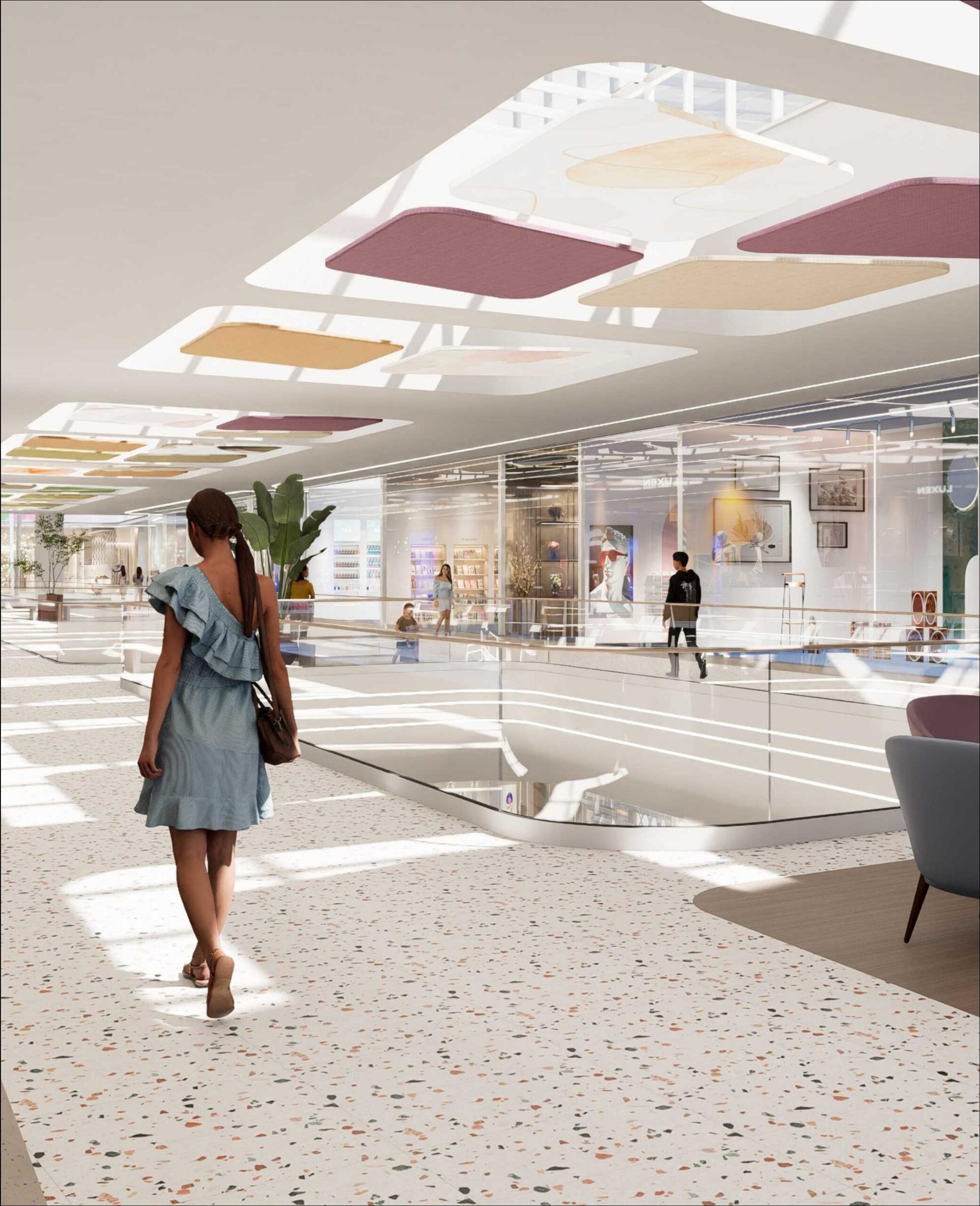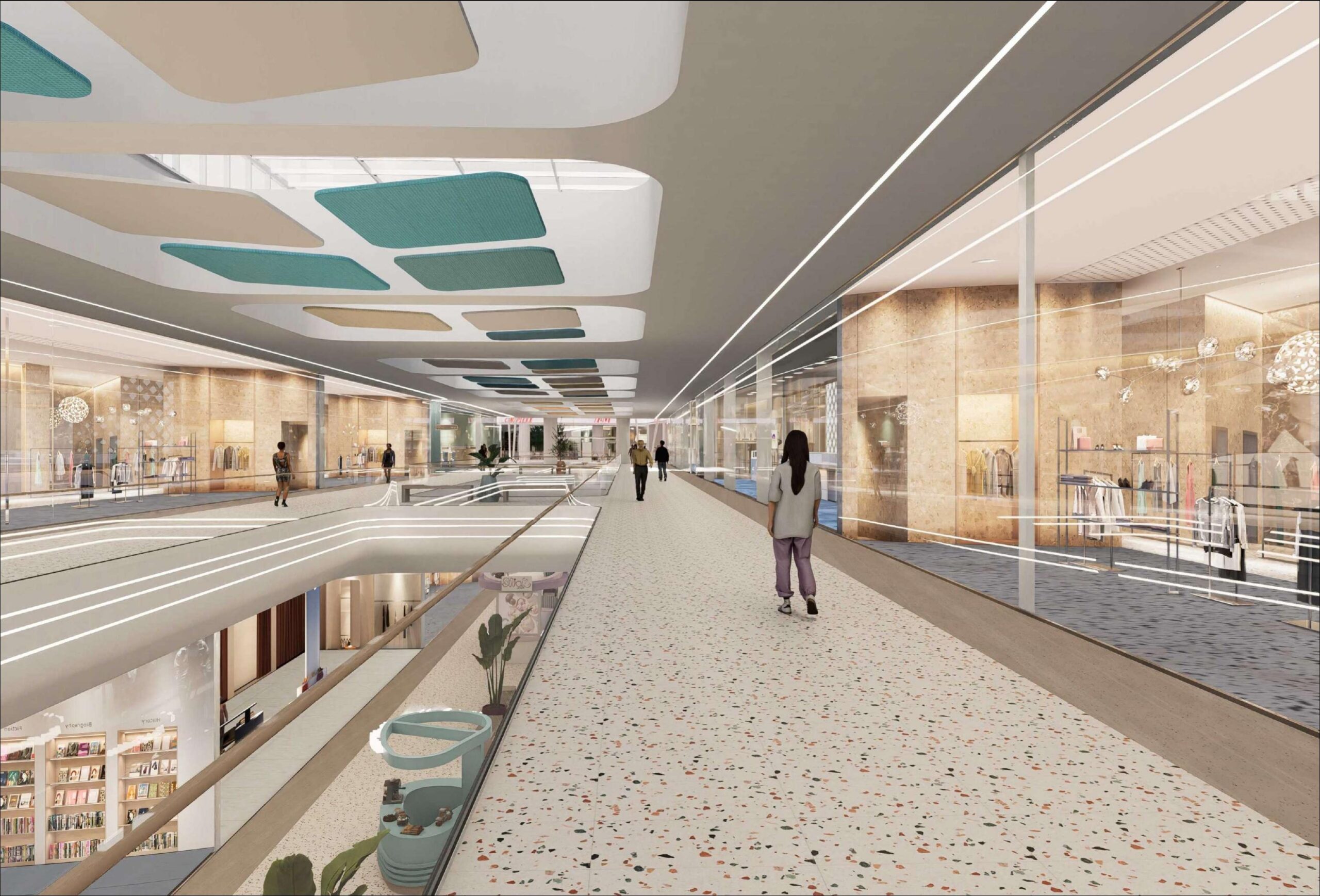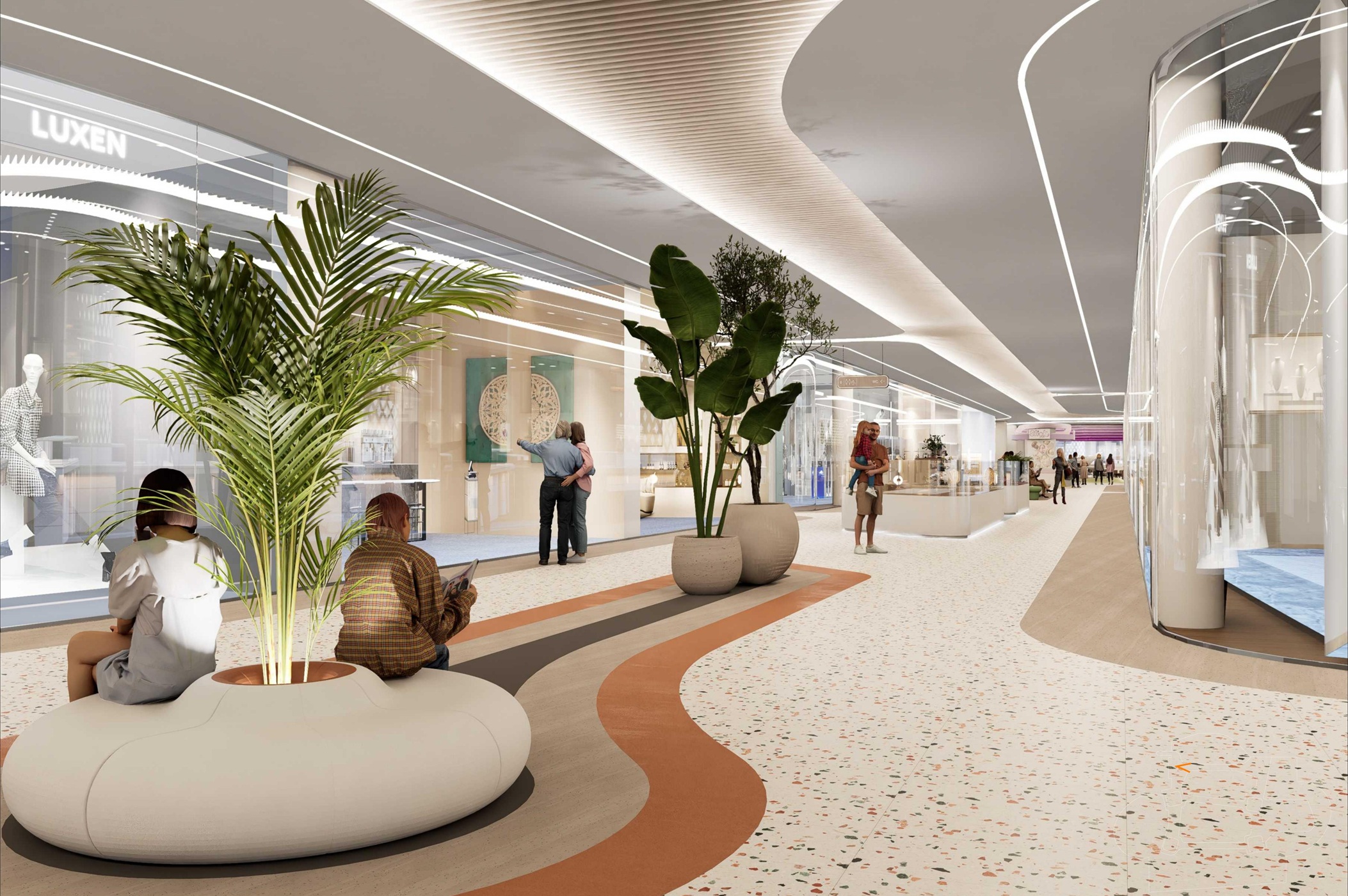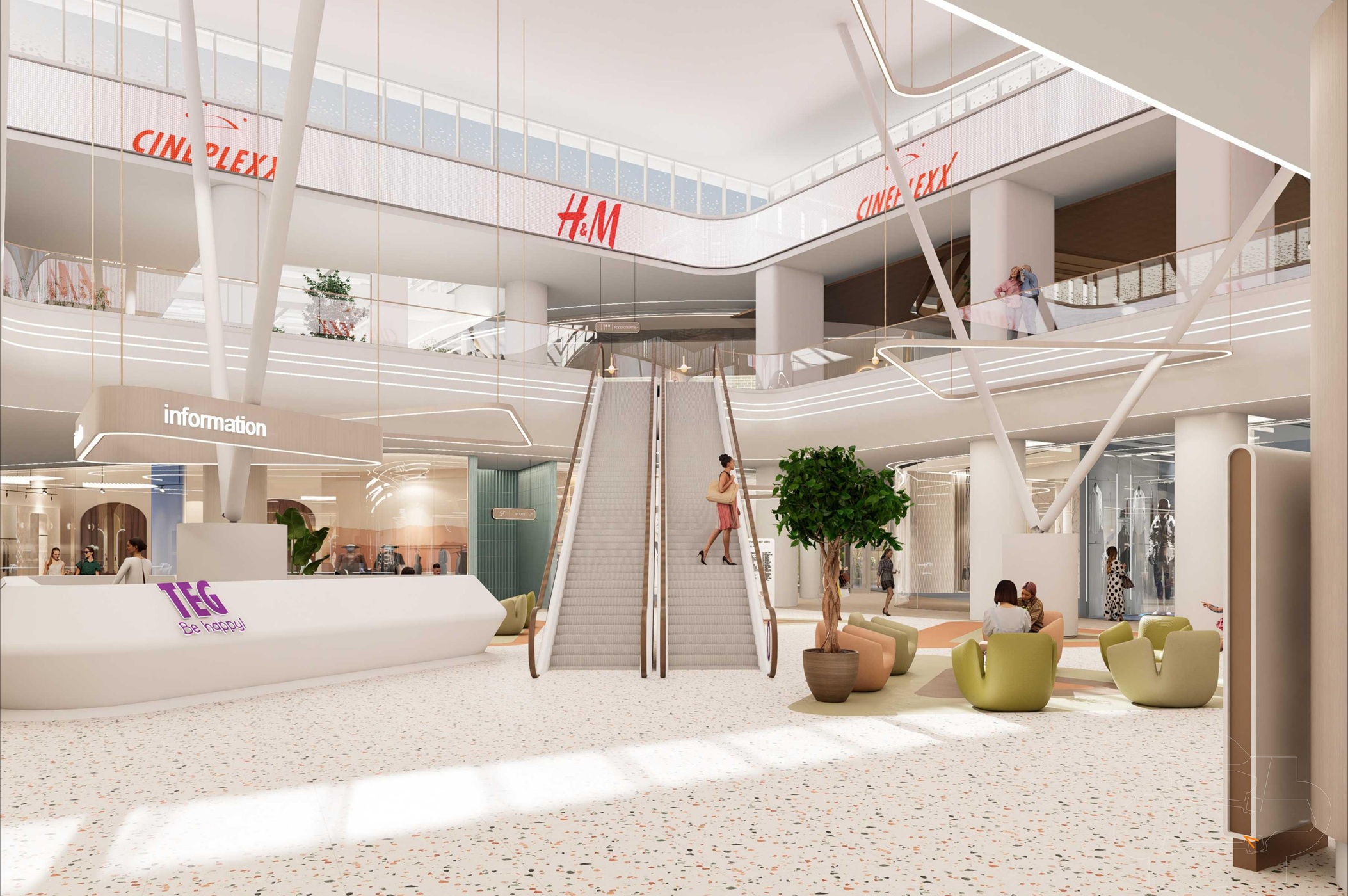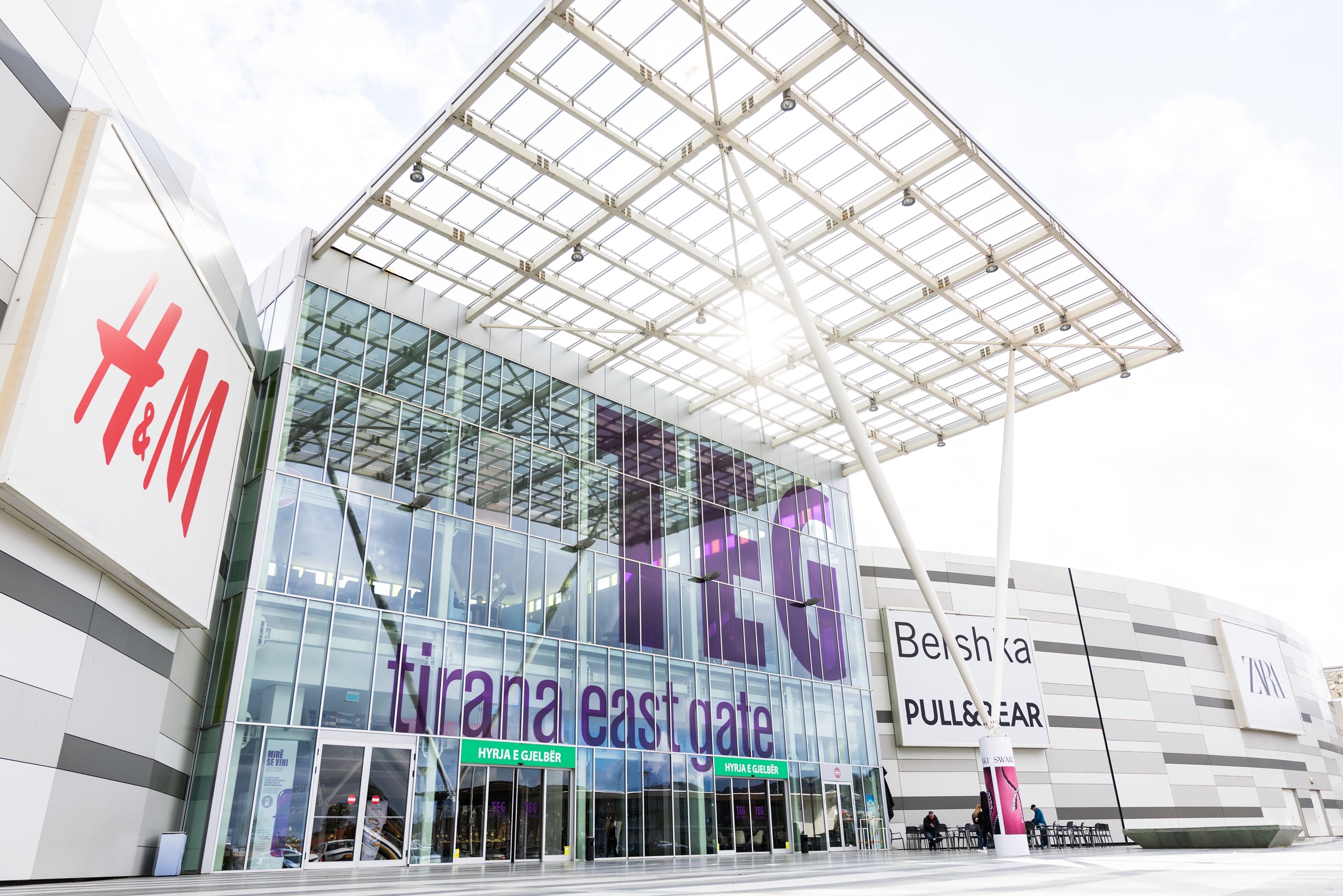
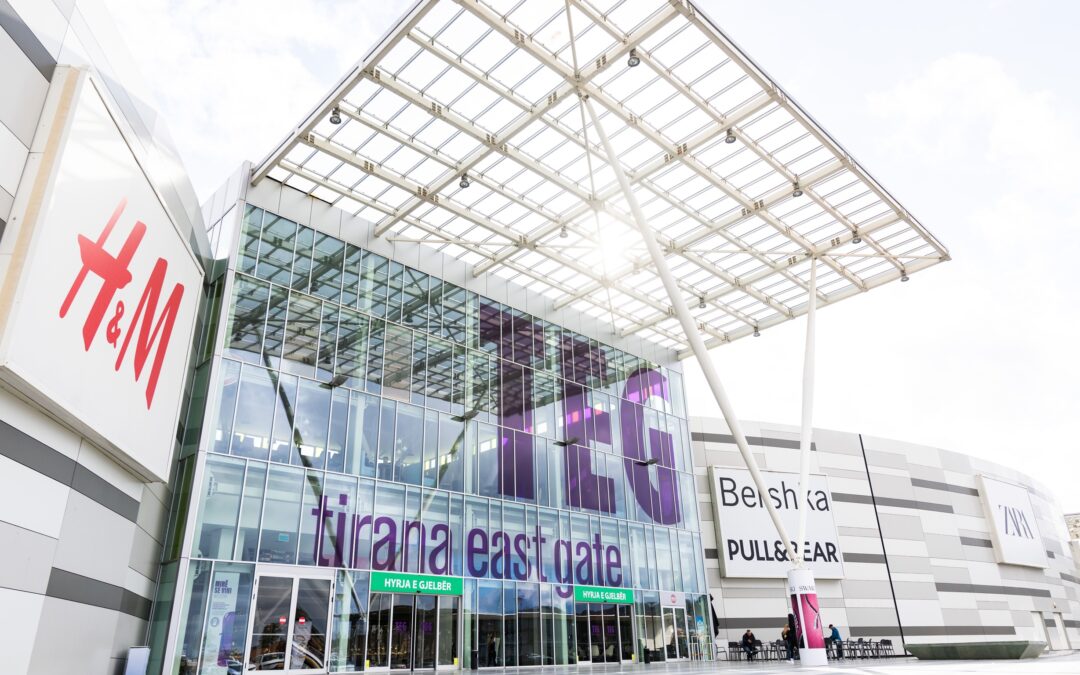
Fifteen years after opening, Tirana East Gate is preparing for its second major expansion. The project will add retail, entertainment, gastronomy and green space. But its bigger ambition is to keep an established destination relevant as Albania’s retail market and its customers continue to change.
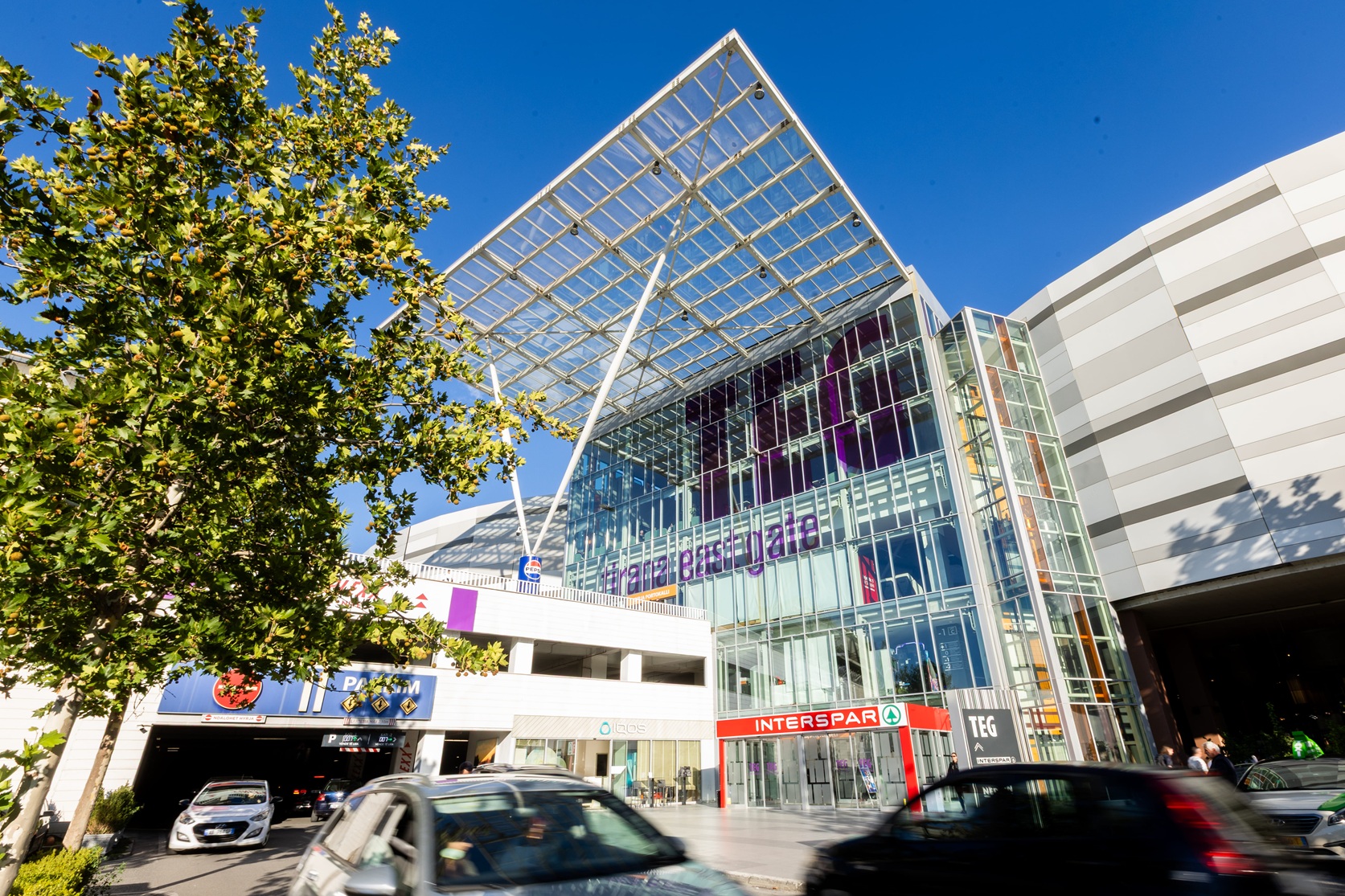
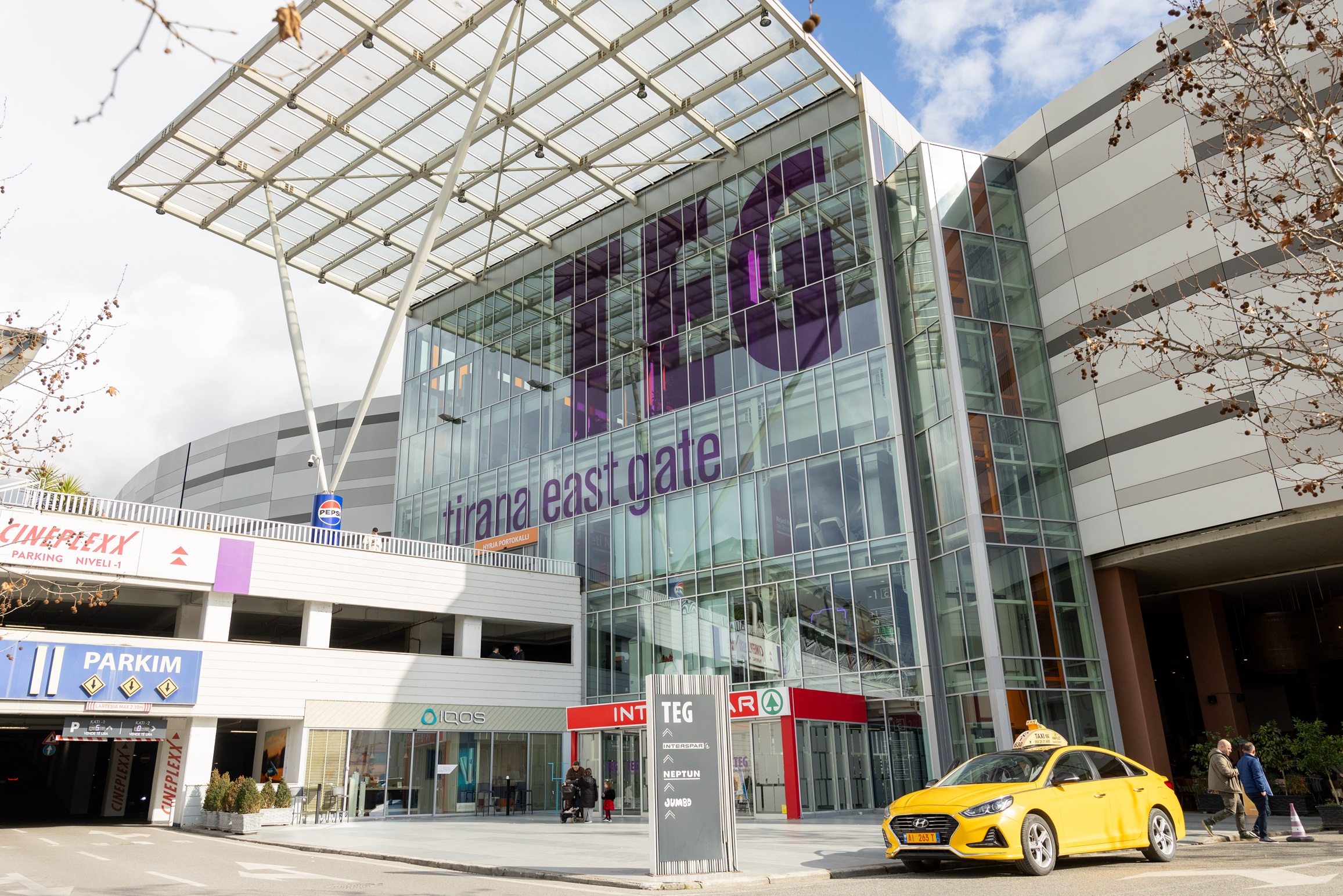
When TEG opened in 2011, BALFIN GROUP introduced a new scale of organized retail to Albania. Fifteen years later, Tirana East Gate is preparing for another major step in its development.
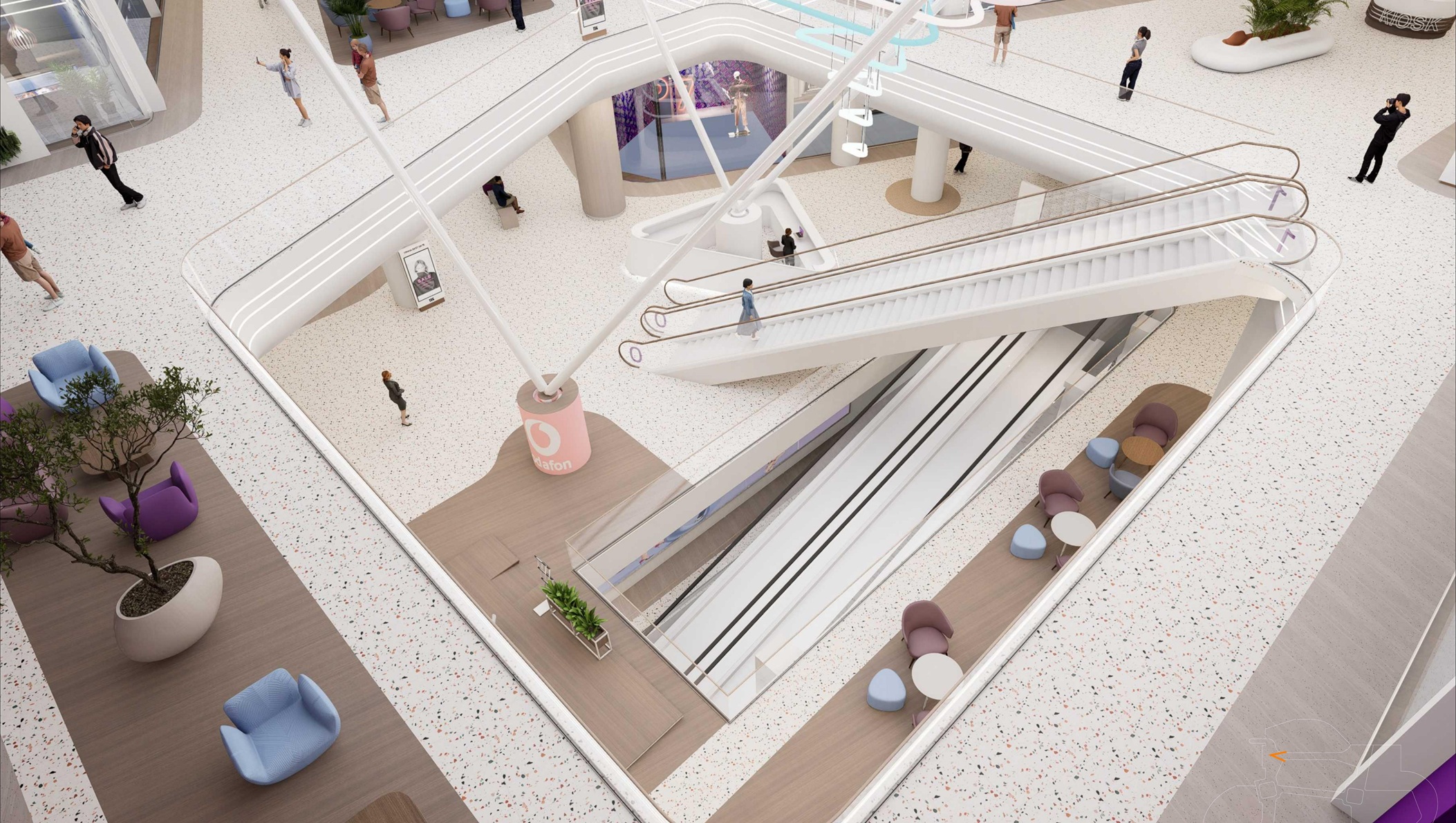
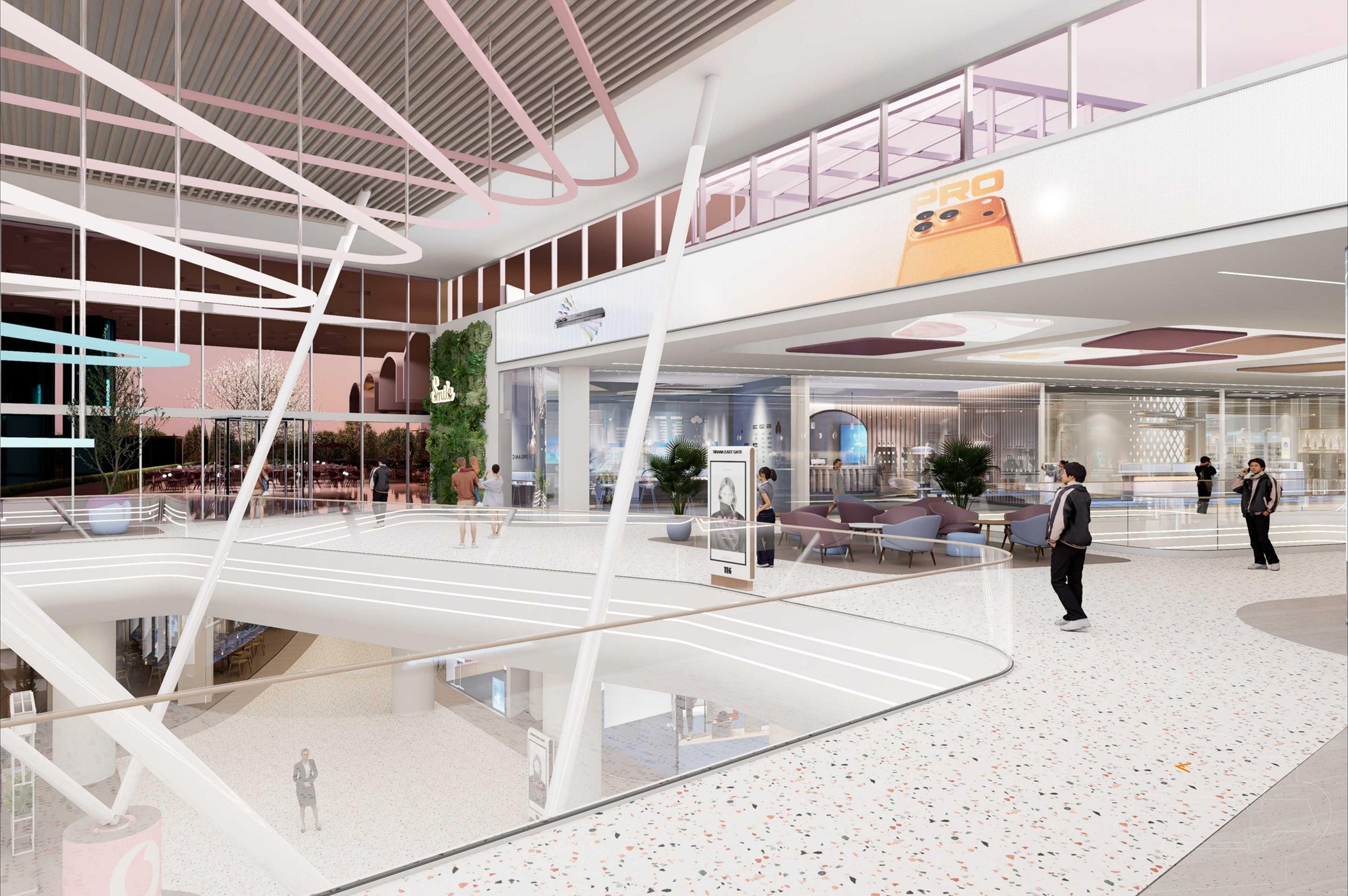
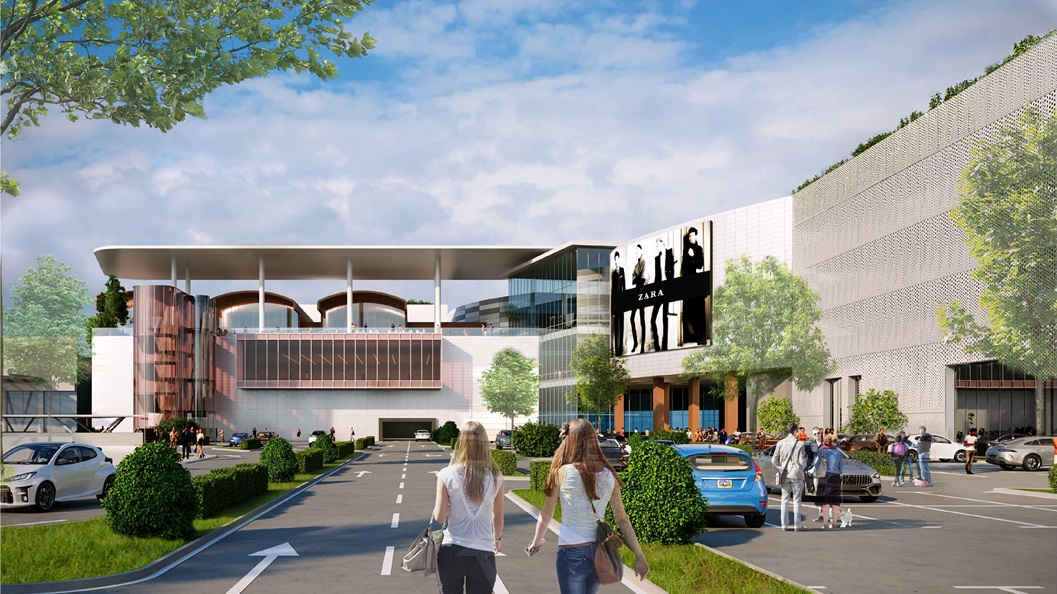
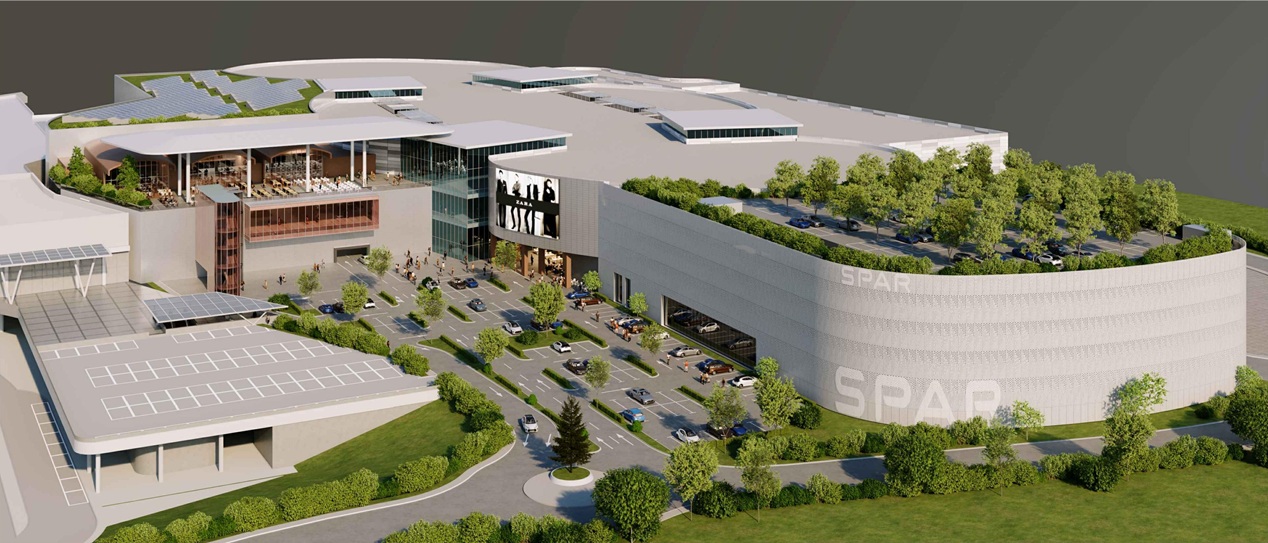
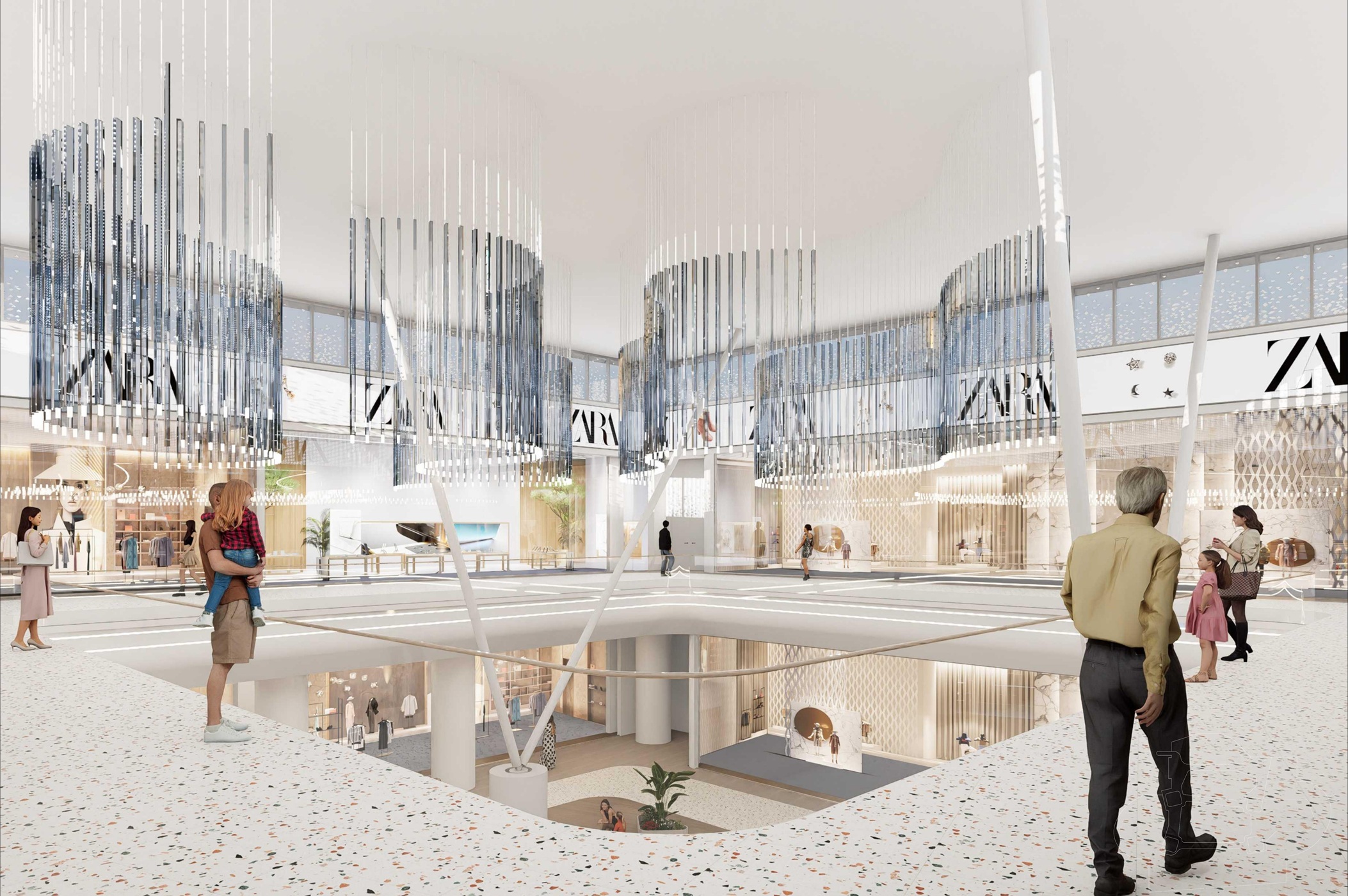
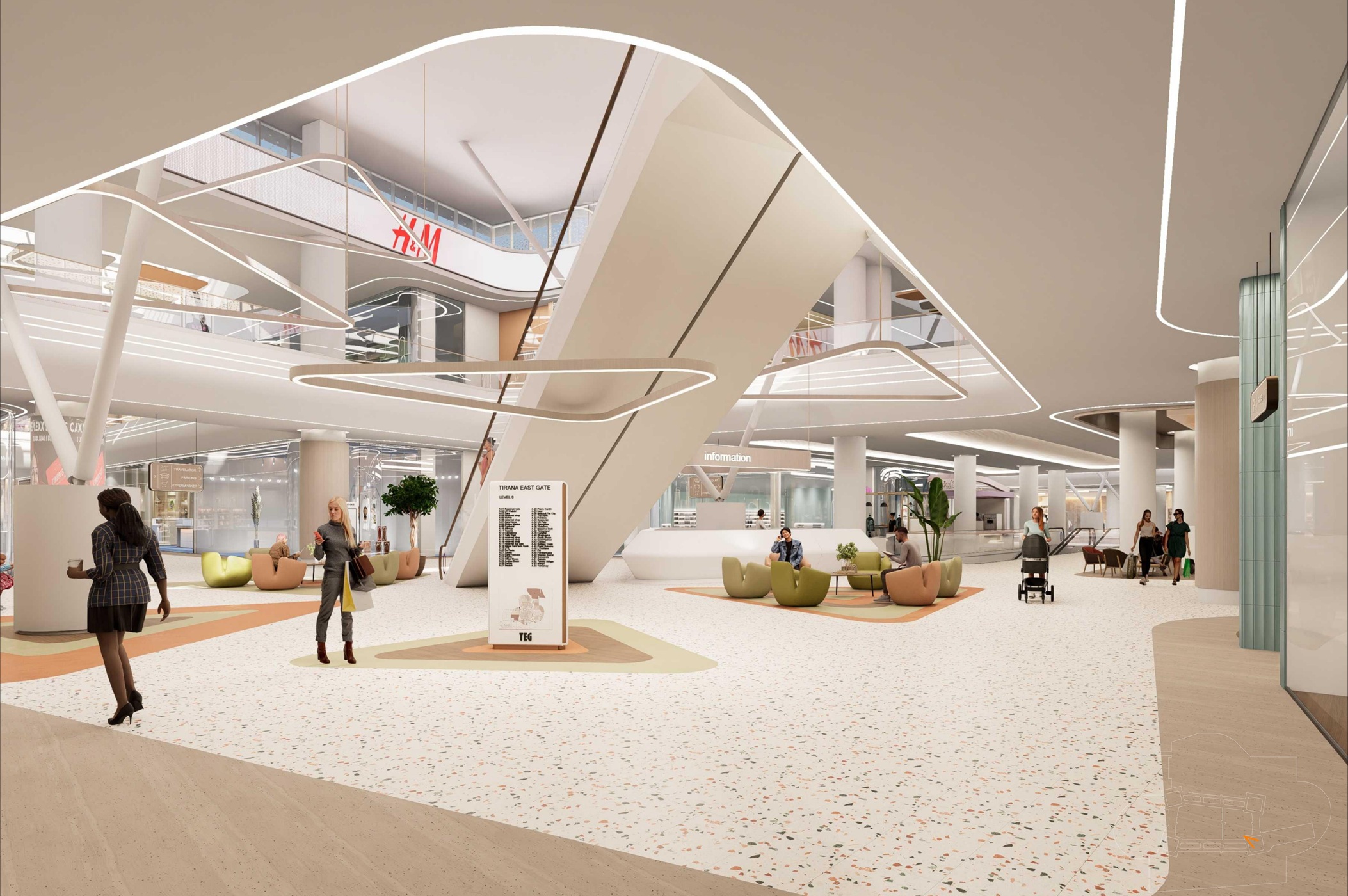
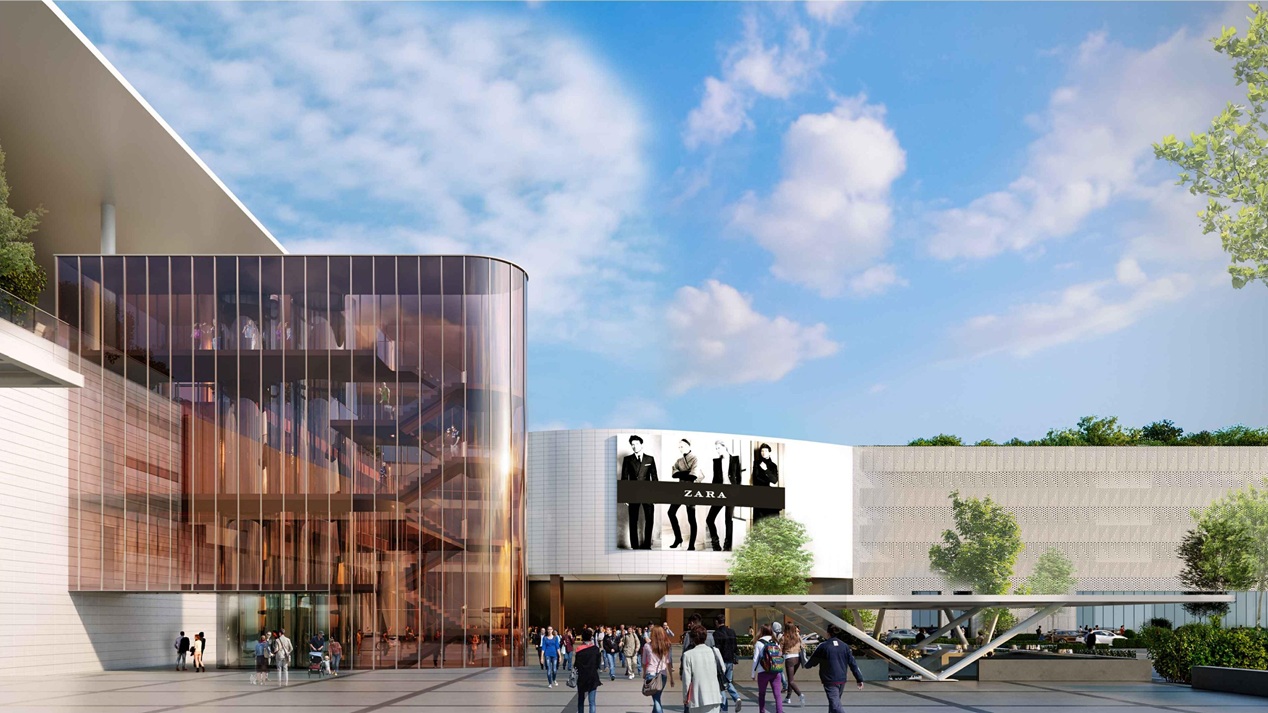
Construction of the next expansion is scheduled to begin in 2027, and continue for 2 years. The project will add around 14,000 square meters of GLA, more than 42 international brands, new entertainment and gastronomy concepts, additional green space and expanded parking.
But the numbers do not tell the whole story. The more interesting question is how an established shopping center continues to evolve without becoming disconnected from the destination its customers already know.
“Each phase has built on the one before it,” says Mariola Kuçi, CEO of ACREM, part of BALFIN GROUP. TEG’s development has gradually moved from a strong retail base toward a broader destination in which shopping, dining, entertainment and leisure reinforce one another.
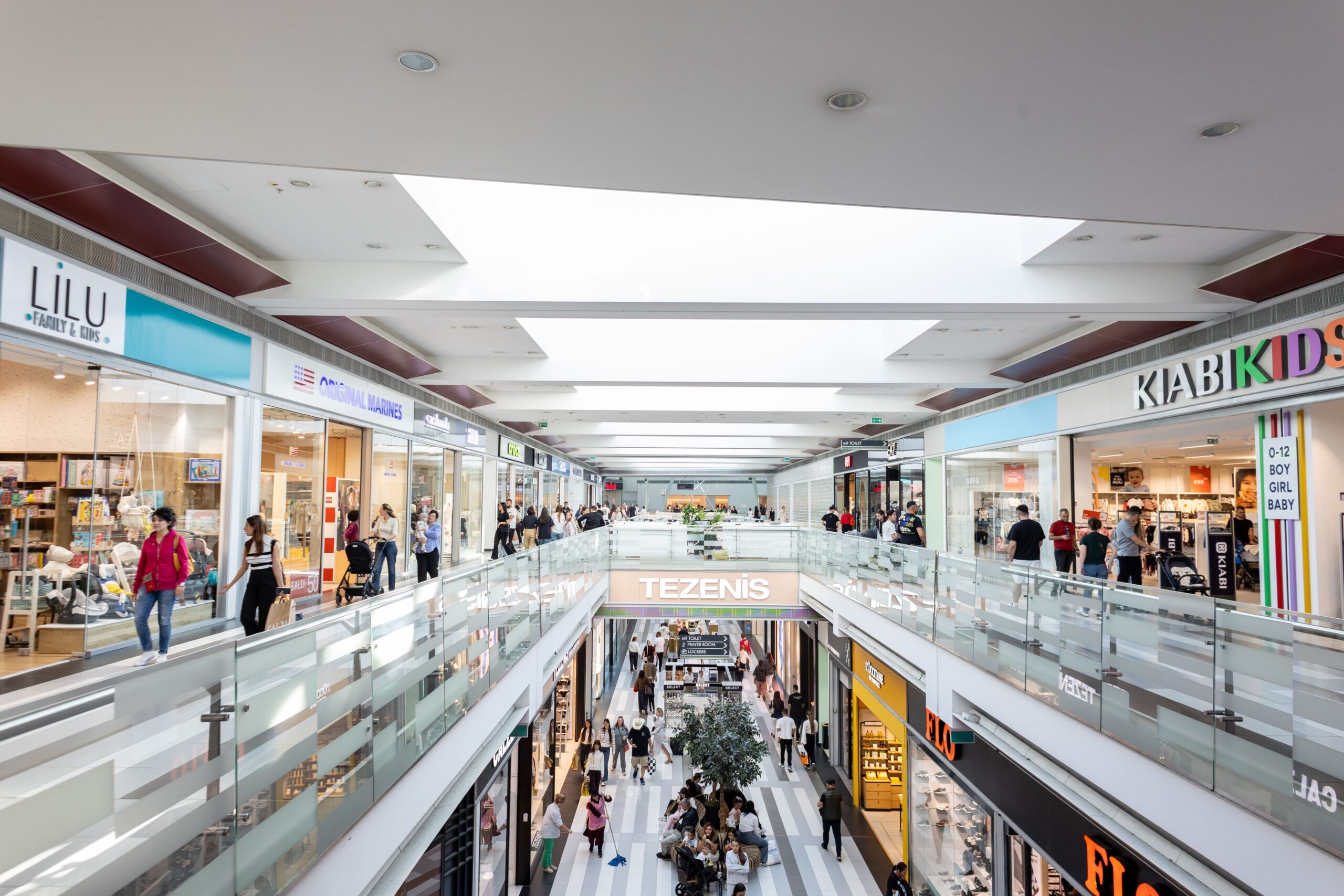
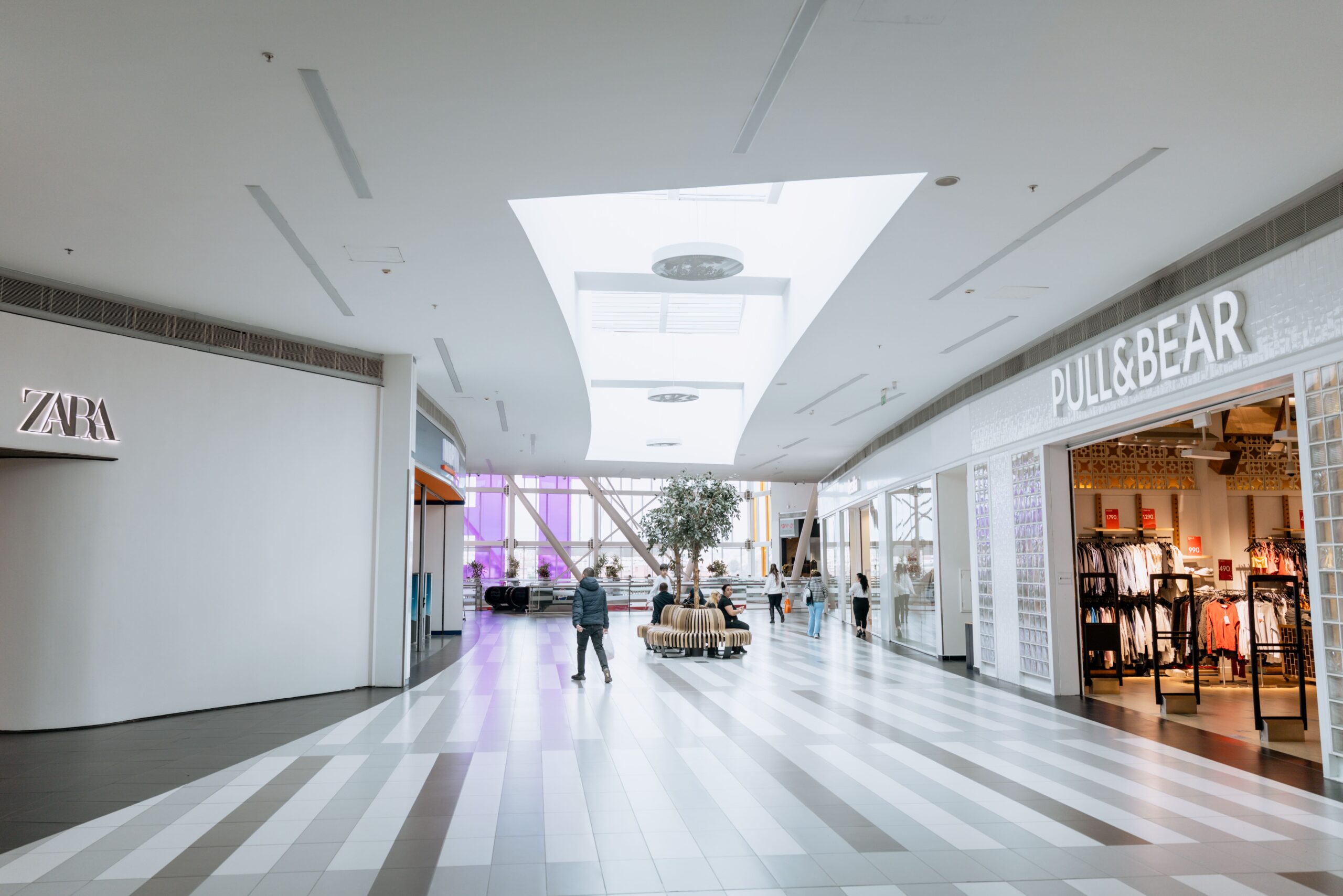
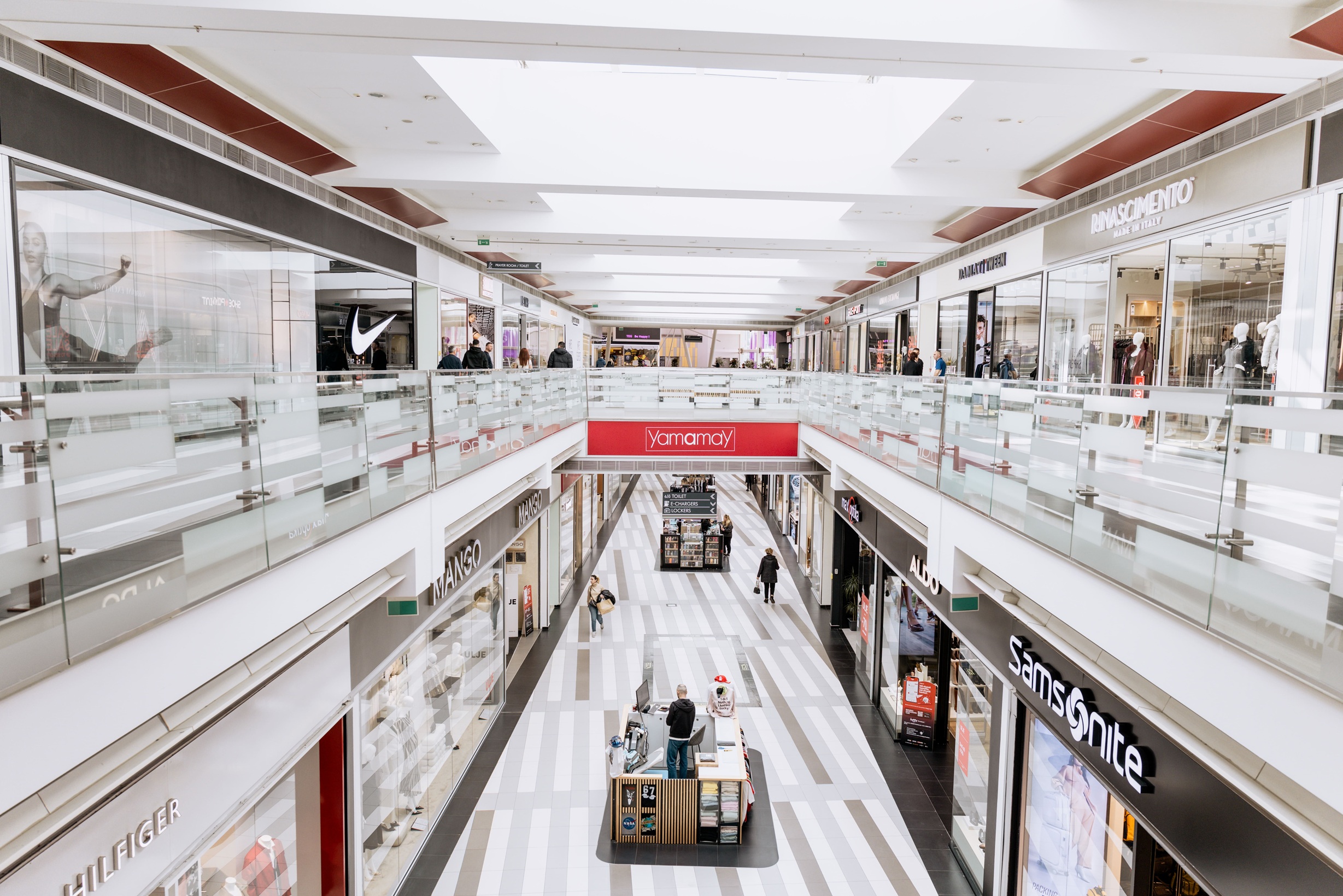
That process has already produced a substantial asset. TEG now comprises 56,000 square meters of GLA and 160 stores, with around 1 million people within a 30- to 60-minute catchment. A first physical expansion was completed in 2022. Annual tenant turnover has reached €250 million.
The center’s recent performance also provides the backdrop for the upcoming investment. Tenant turnover increased by 8 percent year over year in 2025, while NOI grew by 9 percent. Average dwell time was between 2.5 and three hours, and TEG expects around 12 million visitors in 2026.
MORE THAN RETAIL
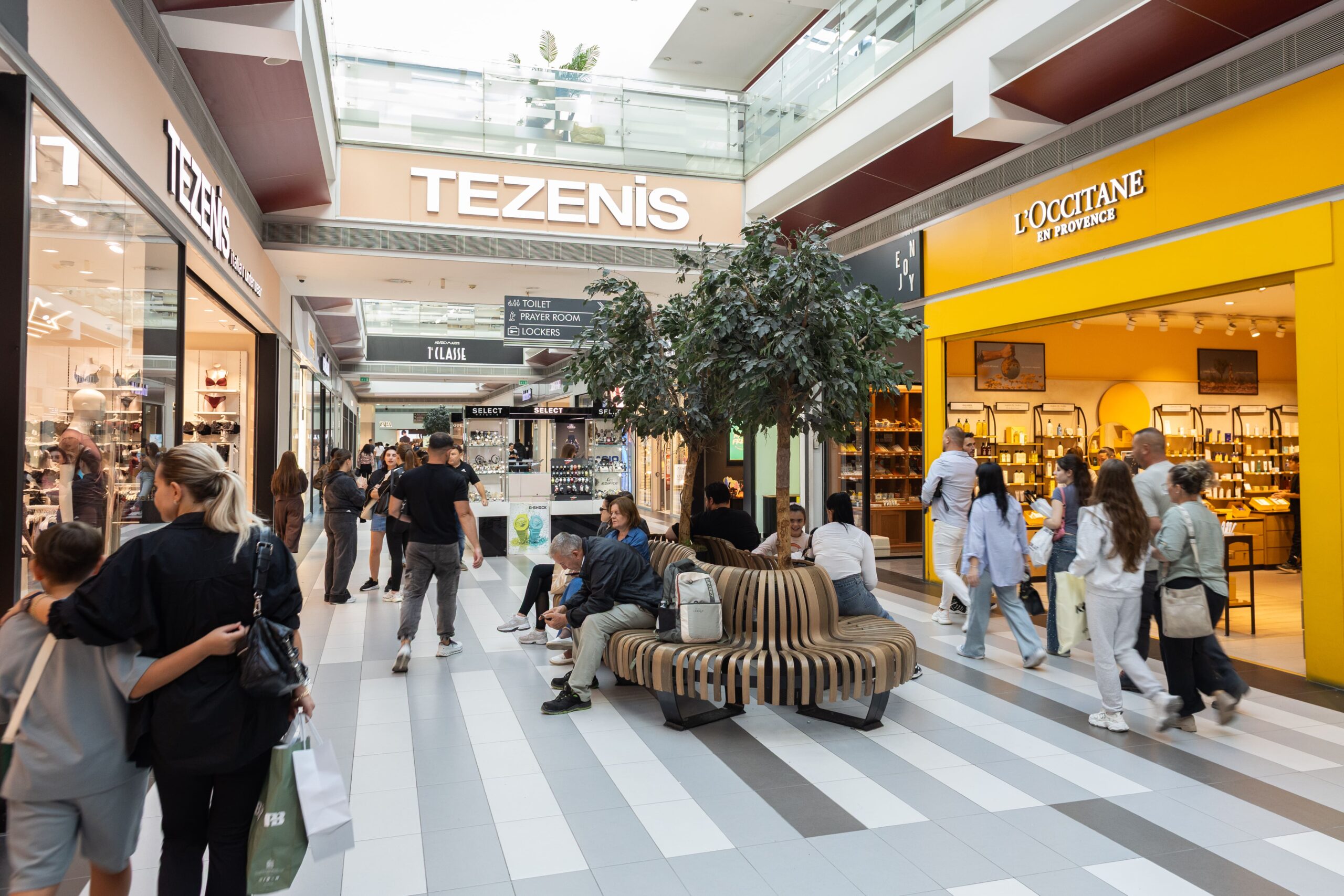
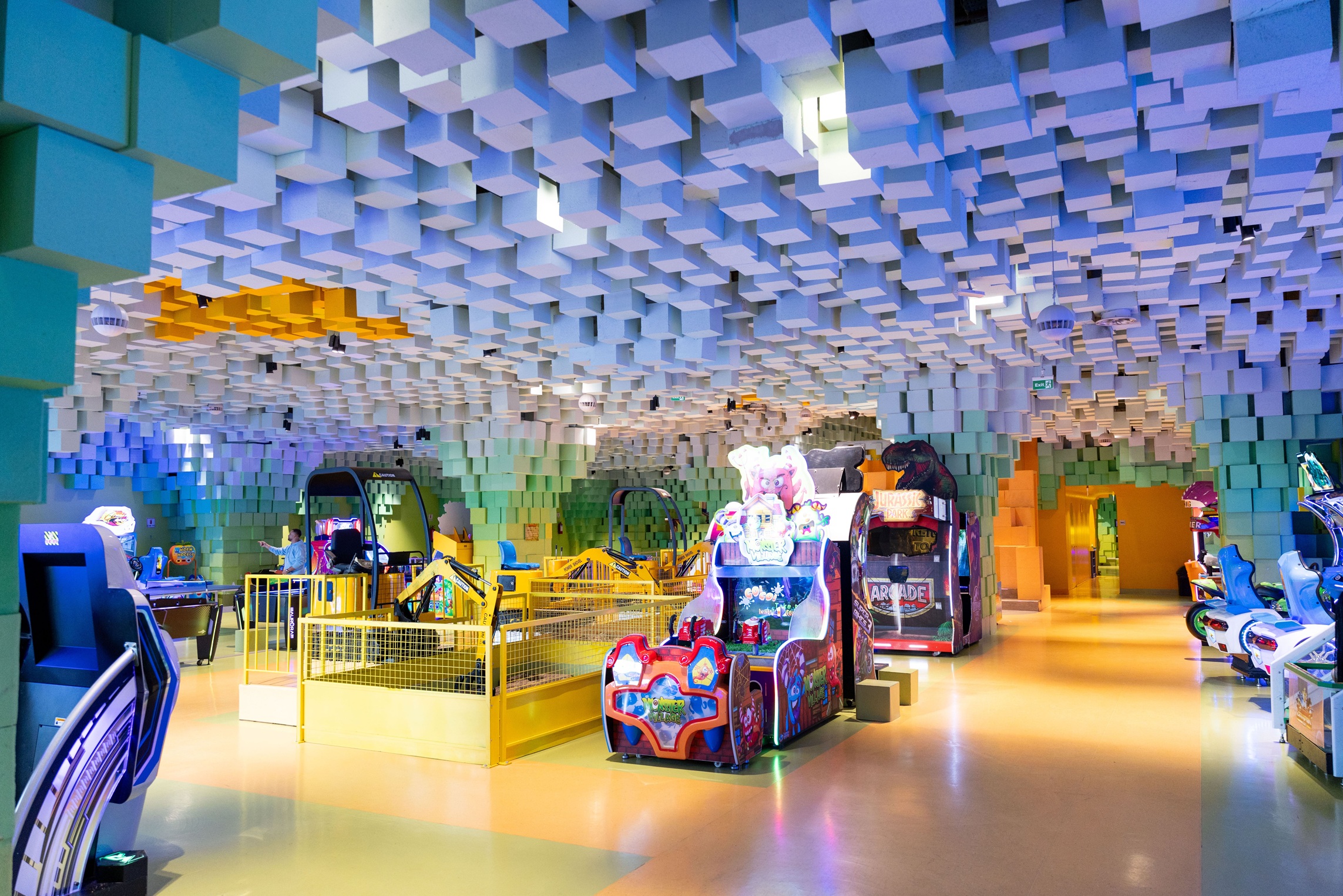
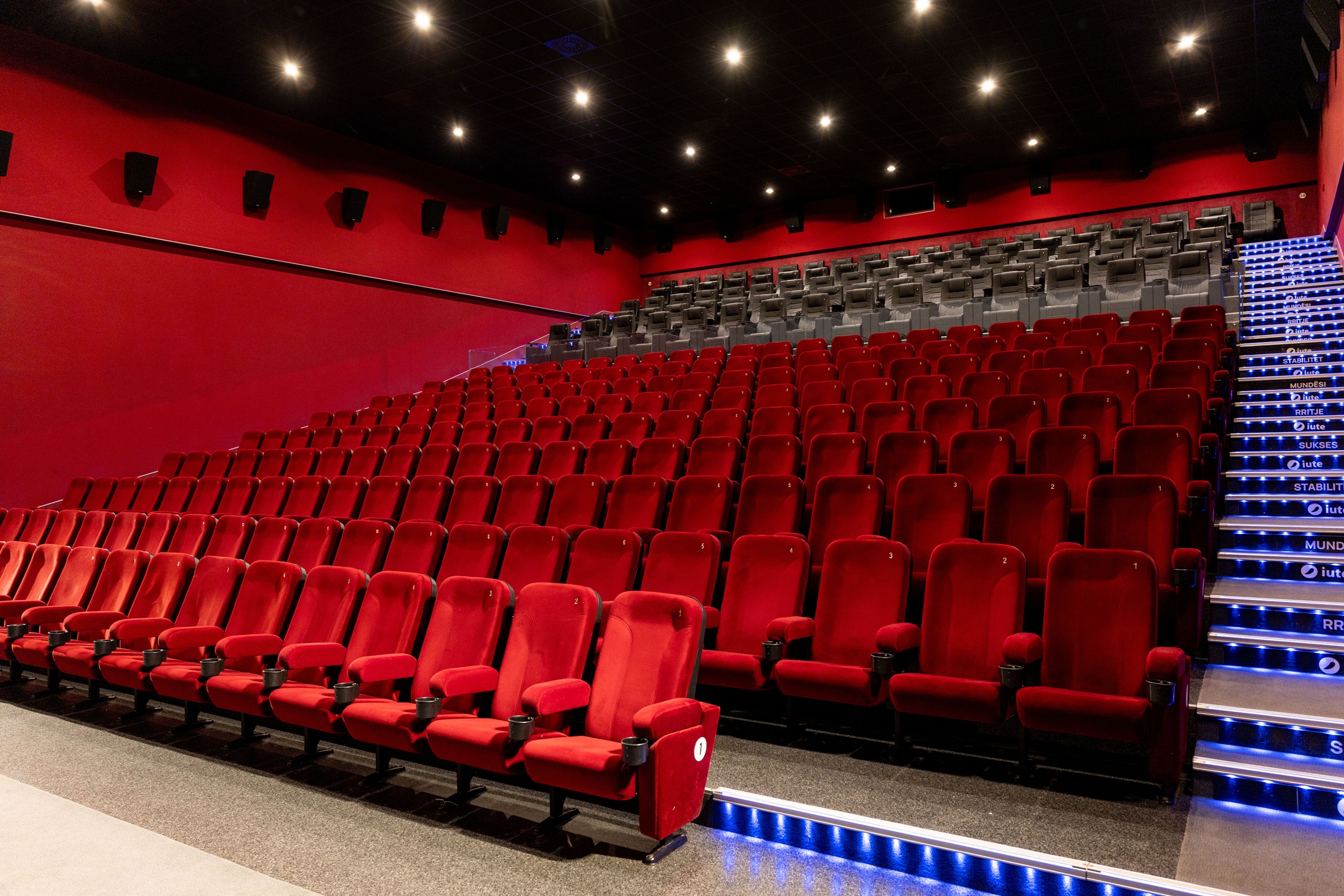
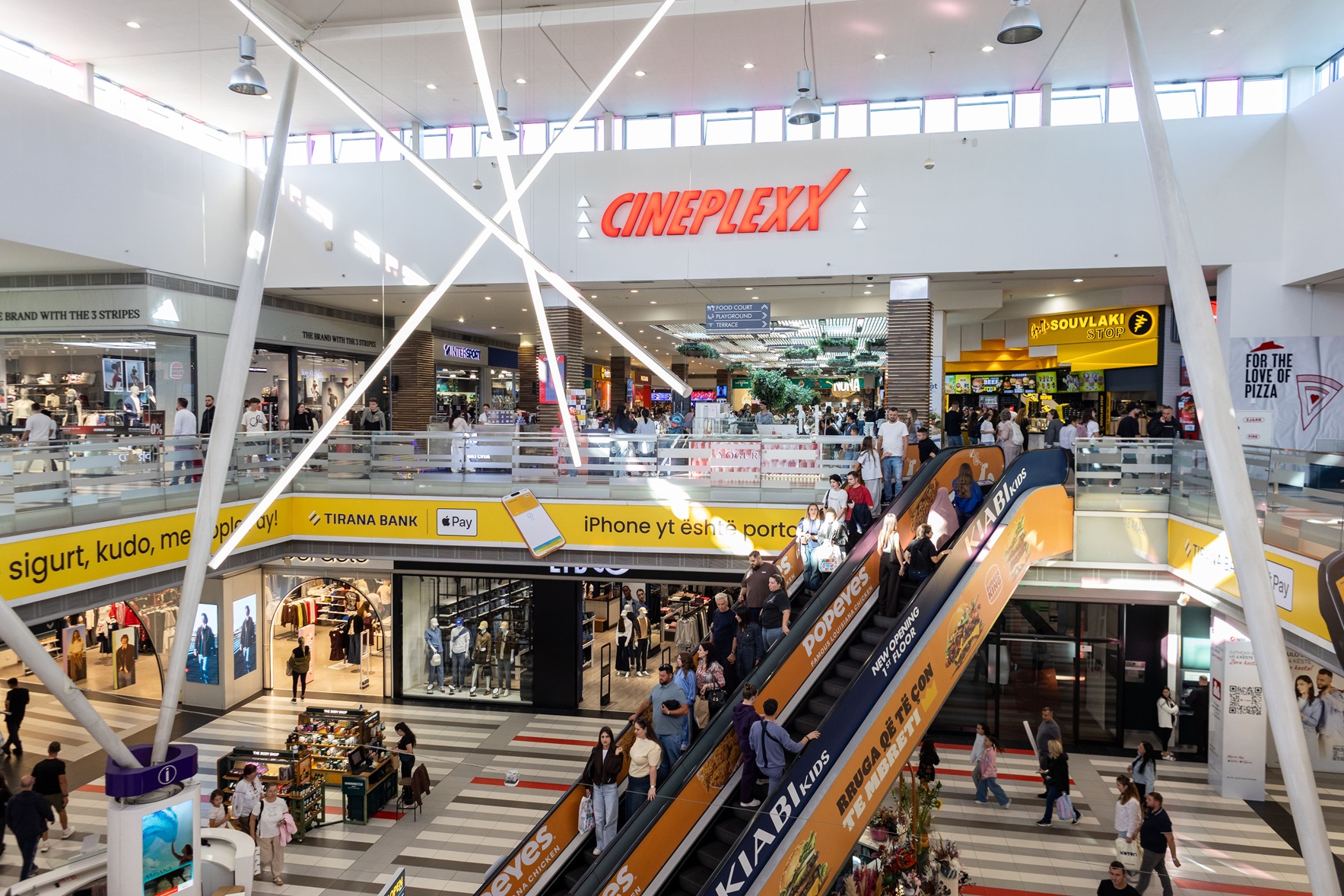
TEG’s evolution can also be seen in the reasons people visit. Fashion remains at the core, but cinema, entertainment, gastronomy, family activities and events have become increasingly important parts of the offer.
That diversification creates different combinations of activities within a single visit. A customer can shop and stay for dinner; another can combine a movie with shopping; families can move between retail, dining and entertainment.
The shift reflects a broader change in customer expectations. “Customers no longer evaluate a shopping center only according to its retail offer,” says Elda Hysenbelli, General Manager of TEG. “They compare the overall experience with everything else competing for their time.” The customer journey now encompasses everything from planning and arrival to parking, navigation, shopping, dining, entertainment and departure.
The next expansion takes that development further.
One of its major additions will be HyperActive, an indoor gaming and family entertainment concept featuring go-karting, arcade games, VR, bowling, laser tag, escape rooms and a sports bar. It will add a substantial new leisure component to TEG and broaden the reasons to visit beyond shopping.
The project will also introduce new premium gastronomy concepts. A three-story parking facility and an additional 4,600 square meters of outdoor parking are also planned.
The ambition extends to the existing center. Planned improvements include interior design, customer circulation, parking, accessibility, infrastructure, sustainability, services and the overall customer journey.
This makes the project more than a straightforward extension. The intention is to develop the existing and new parts as one destination.
AN ASSET THAT KEEPS MOVING
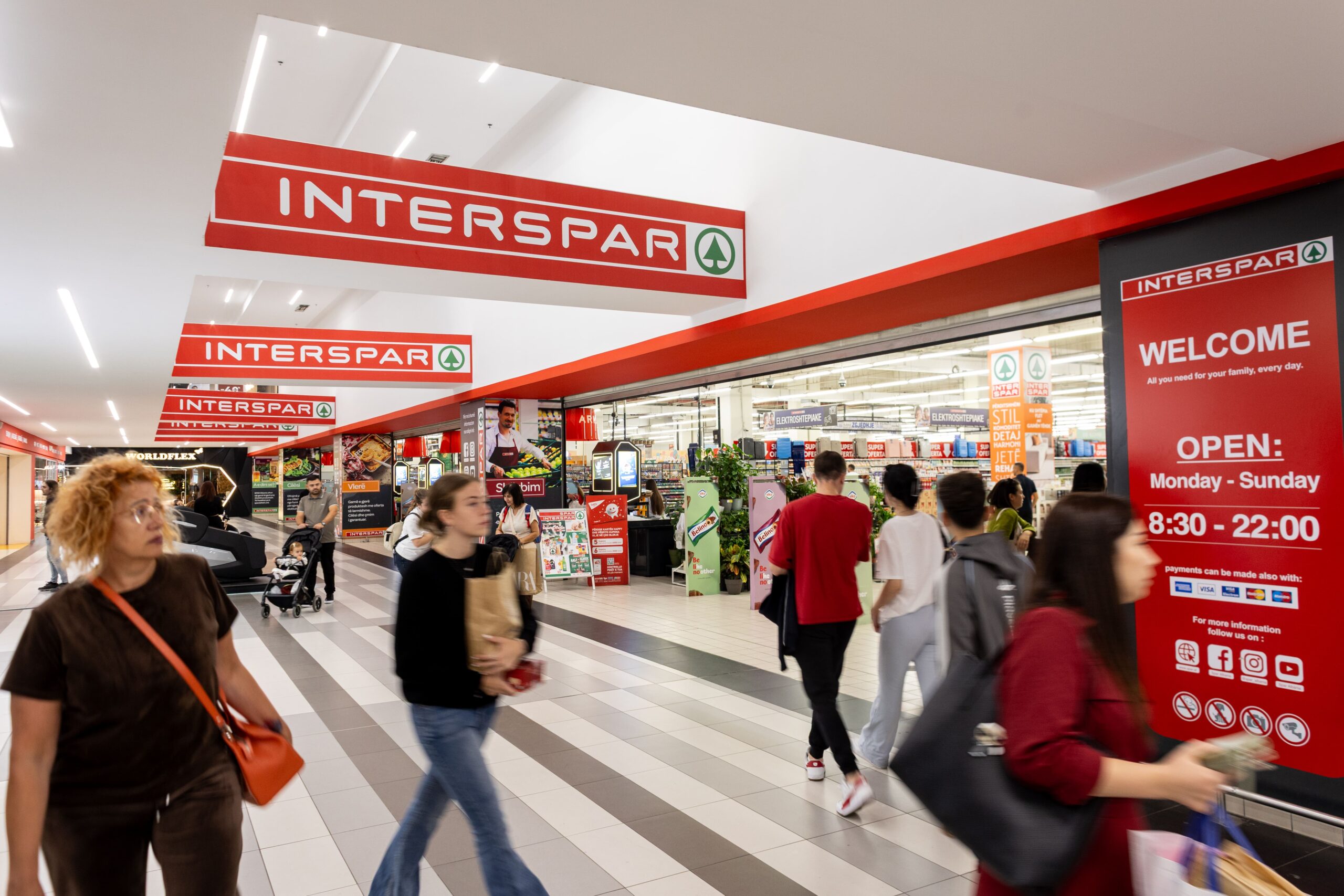
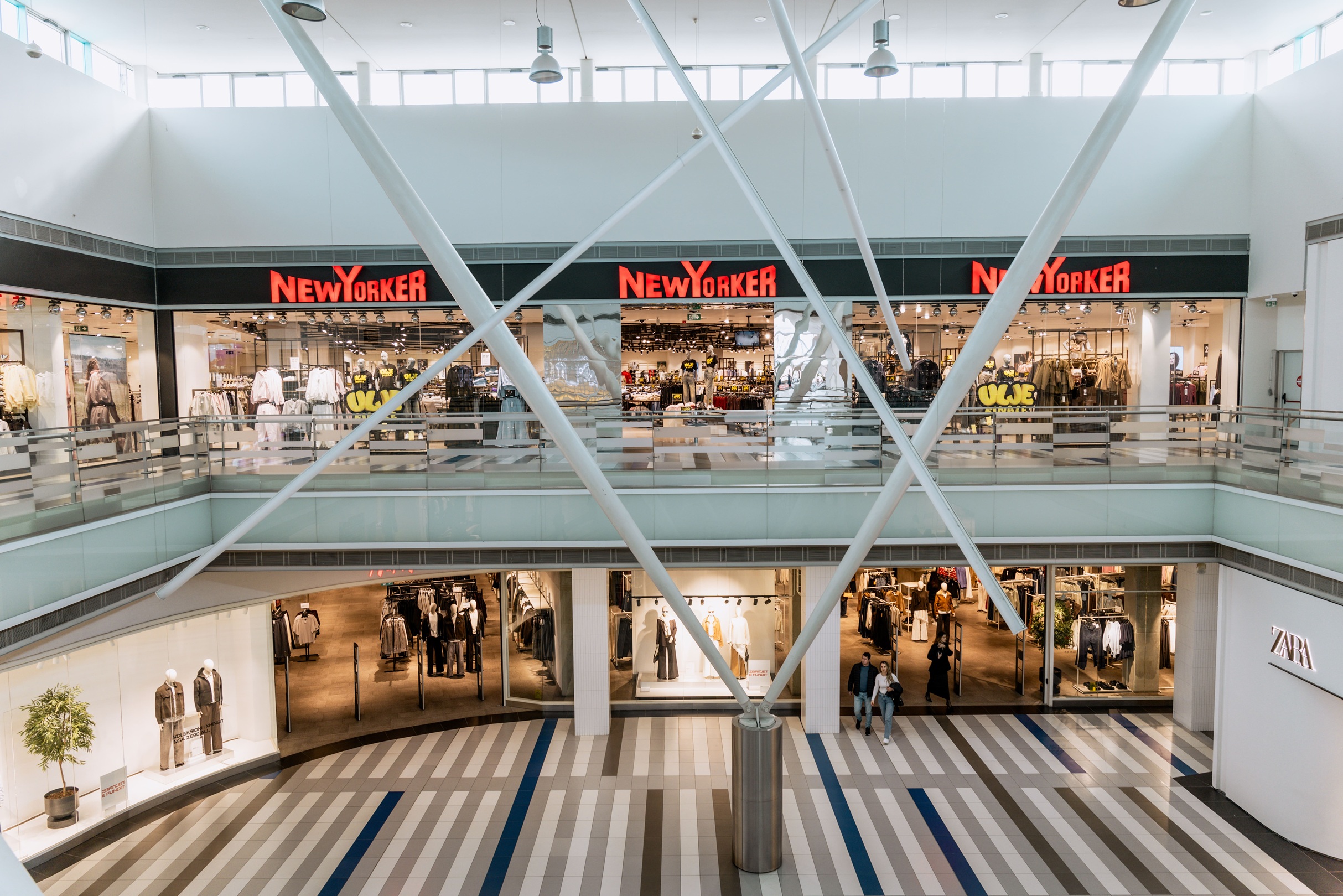
That approach also changes the relationship with tenants. TEG is working with existing retailers on renewals, upgrades, relocations and new store concepts while considering brand positioning, adjacencies, customer flows and category balance across the wider destination.
The retailer mix illustrates how the center is developing at different speeds.
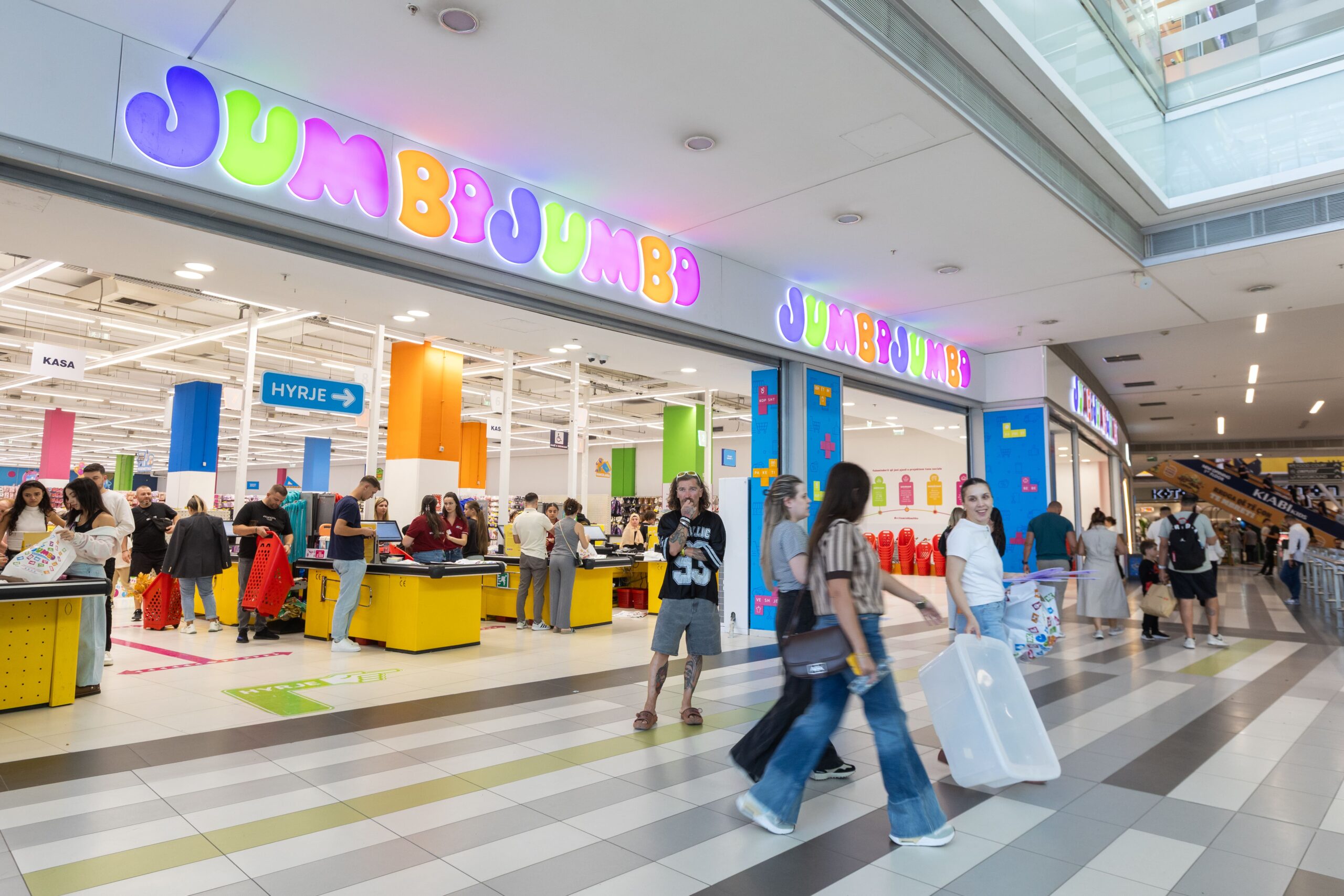
Jumbo has been part of TEG’s story since the beginning. The retailer is celebrating its own 15th anniversary in Albania alongside TEG and today operates 10 stores in the country. Its next step at TEG is therefore part of a long-standing relationship rather than a new market entry.
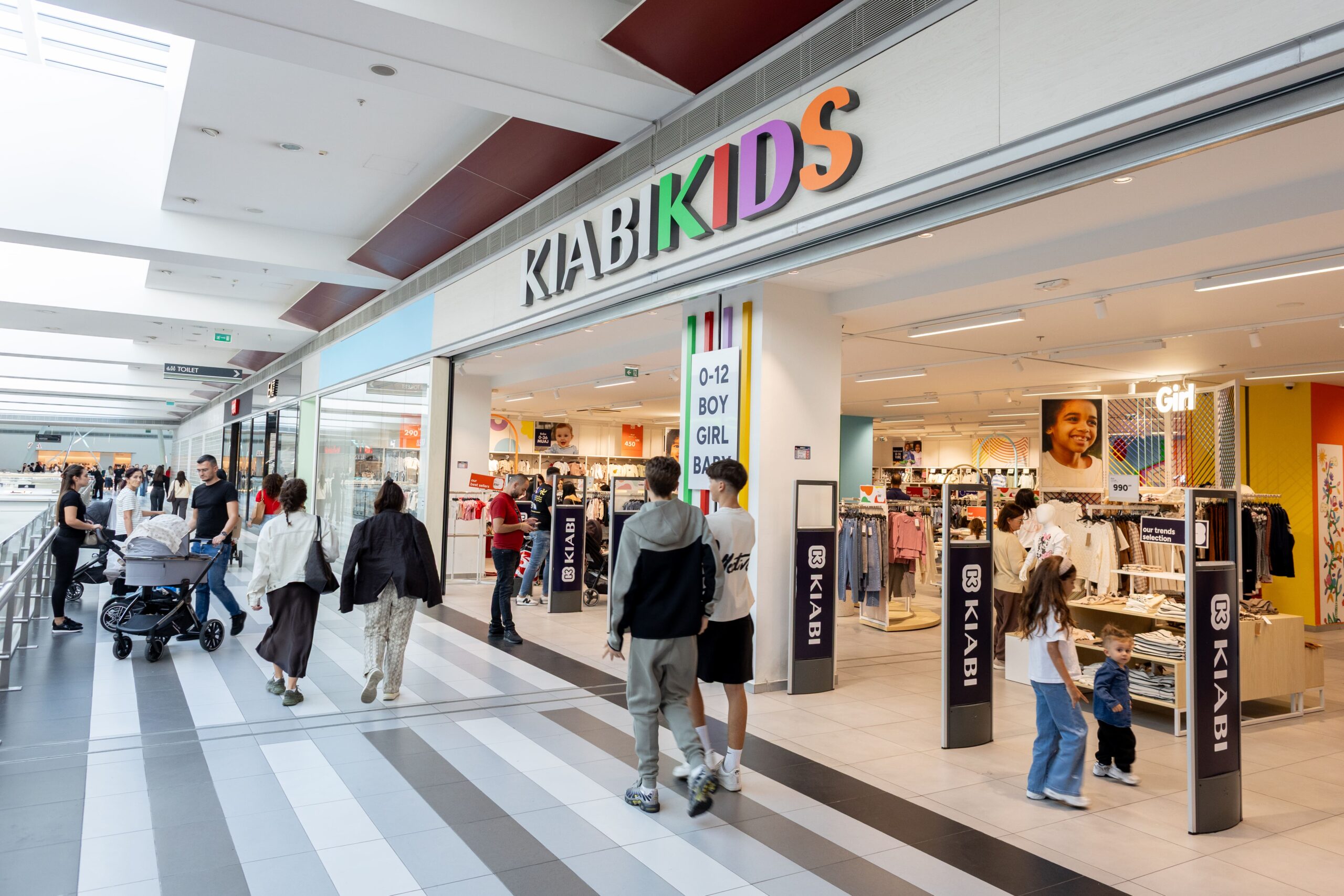
Kiabi represents a different stage. The French retailer opened its first TEG store in August 2025 with a dedicated Kids concept. Following the expansion, it plans to move to a full-family format covering women, men and children. TEG is also the starting point for Kiabi’s wider development in the Western Balkans.
Together, the two examples show how the expansion is intended to accommodate both established relationships and new concepts as the destination develops.
For ACREM, this is the essence of active asset management. The next phase is not simply about adding square meters, but about identifying gaps in the tenant mix, introducing complementary brands and categories, strengthening entertainment and F&B, and making sure the new space contributes to the performance of the destination as a whole.
The challenge will be to do all of that while TEG remains fully operational. Construction will have to be coordinated around customer and tenant activity, including temporary access routes, deliveries, safety, noise, dust and traffic. The connection between the new development and the existing building will add another layer of complexity.
It is a practical expression of the same principle that has shaped TEG’s development for 15 years: change has to work for the destination that already exists.
THE NEXT CHAPTER
Albania’s retail market has changed considerably since TEG opened. Consumers have become more sophisticated, international brands are increasingly interested in the market, and expectations around quality, service and experience have risen. “The next phase will be less about adding retail space and more about building differentiated, professionally managed destinations,” says Kuçi. “TEG’s expansion is a good example of this approach: investing in an already successful asset so it continues to evolve with the market, rather than waiting for the market to move ahead of it.”
That puts TEG’s second major expansion into perspective. It is not a reset. The existing destination, its customer base, retailers and operating experience provide the foundation for what comes next.
Fifteen years after opening, TEG is therefore being treated less as a completed development than as an asset that has to keep moving. The next chapter will be larger and more diverse while remaining recognizably TEG.
TEG is part of BALFIN Group, a diversified private investment group founded in Vienna in 1993 by Samir Mane. It operates across 13 countries and 2 continents, 9 industries, employing over 5000 people of 24 nationalities.
FACT BOX
TEG AT A GLANCE
Opened: 2011
Current GLA: 56,000 m²
GBA: 113,000 m²
Stores: 160
Market position: Albania’s largest shopping center
Catchment: Approx. 1 million people within 30–60 minutes
Annual tenant turnover: €250 million
First physical expansion: 2022
2025 tenant turnover growth: +8% YoY
2025 NOI growth: +9%
Average dwell time: 2.5–3 hours
Expected 2026 visitors: 12 million
THE NEXT EXPANSION
Construction: Starting in 2027, will last around 2 years
Additional GLA: +14,000 m²
International brands: 42+
Entertainment: HyperActive, 7000 m²
Parking: Additional hree-story parking facility
Certification target: BREEAM / LEED, 2028–2029
INTERVIEW
“TEG IS NOT A FINISHED SUCCESS STORY”
Mariola Kuçi, CEO, ACREM
TEG has evolved considerably since opening in 2011. What has driven that evolution?
TEG’s development has been a continuous process of adapting to the market while strengthening its position as one of Albania’s leading retail destinations. When it opened in 2011, it introduced a new scale and standard of organized retail to the country. Since then, growing consumer demand, the entry of new international brands, changing shopping habits and a constant focus on customer experience have shaped each stage of its growth.
Each phase has built on the one before it. The focus has gradually widened from offering a strong retail base to creating a broader destination where shopping, dining, entertainment and leisure reinforce one another.
What are the main considerations behind the next expansion?
The starting point is always the customer. Expectations have shifted, with people wanting more choice, better experiences and more reasons to spend time at a destination beyond shopping alone.
From an asset-management perspective, the expansion also has to strengthen TEG’s long-term performance. That means examining the tenant mix closely, identifying underrepresented categories and international brands, growing the entertainment and F&B offer and making sure new space complements rather than duplicates what already exists.
What does it take to evolve an established shopping center without losing its identity?
It takes real clarity about what should change and what shouldn’t. An established asset like TEG already has a strong identity, a loyal customer base and a mature commercial ecosystem. Evolution should reinforce those foundations, not disrupt them.
For ACREM, that means pairing a long-term asset strategy with close, ongoing attention to day-to-day performance, tenant productivity, customer behavior, occupancy, operational efficiency and market trends. We have to be willing to introduce new concepts and rethink parts of the tenant mix, while protecting what’s already made the asset successful.
What does the 15th anniversary mean to you?
Fifteen years is a meaningful milestone, especially because TEG’s story is so closely tied to the development of modern retail in Albania.
What I value most is that 15 years in, we’re not treating TEG as a finished success story, we’re talking about its next chapter. That, to me, is the clearest sign of a successful asset: not just where it stands today, but its capacity to keep evolving and creating value going forward.
INTERVIEW
“WE WANT TO GROW WITHOUT LOSING FAMILIARITY”
Elda Hysenbelli, General Manager, TEG
What are the main operational challenges of expanding while keeping TEG fully open?
Managing TEG during expansion means running today’s destination at full performance while designing tomorrow’s destination.
The biggest challenge is managing a major construction project while the shopping center remains fully open and active. Each construction phase must be carefully planned around customer and tenant activity, from site separation and temporary access routes to deliveries, safety, noise, dust and traffic management.
Our priority is to minimize disruption while maintaining a safe and comfortable environment throughout the construction period.
How do changing customer expectations influence the way TEG develops?
We look at both data and wider changes in retail and consumer behavior. Footfall and sales remain important indicators, but today we want to understand much more: Why are customers coming? How are they moving through the center? How long are they staying? Which experiences generate engagement? And, more importantly, what makes them return?
We combine performance data with customer feedback, independent surveys, observations from our teams, retailer insights and wider changes in retail and consumer behavior.
How do you work with retailers during the expansion?
I see retailers as partners in creating the destination. A successful shopping center cannot be created by the landlord alone, and it cannot be created by individual retailers operating independently. The customer experiences all of us together.
With the expansion, therefore, we look beyond simply filling space. We consider brand positioning, adjacencies, customer flows, category balance, store concepts and how each new offer contributes to the overall destination. When both management and retailers understand that, the conversation moves from simply leasing space to creating value together for the customer.
What should remain essential as TEG becomes bigger?
I don’t think the success of the expansion should be measured only by what we add. The bigger opportunity is to improve the entire TEG experience: existing and new.
That includes renewed interior design and improvements in customer circulation, parking, accessibility, infrastructure, sustainability, offerings and services. We are particularly focused on customer experience and on making the overall customer journey more attractive.
What must remain is TEG’s connection with its customers. We want to grow without losing familiarity.
INTERVIEW
“TEG HAS BEEN PART OF OUR JOURNEY FROM DAY ONE”
Ani Xhetani, CEO, Jumbo
Jumbo is celebrating its 15th anniversary in Albania alongside TEG. How have customers changed?
A lot has changed in 15 years. The customer has become more informed, more demanding, and has higher expectations for the overall shopping experience. They are looking for affordable prices, a wide variety of products, and fast, efficient service.
What has not changed for us is the importance of families. They remain at the center of what we do and how we think.
What role has TEG played in Jumbo’s development?
TEG has been part of JUMBO’s journey in Albania from day one, so celebrating 15 years together has a special meaning for us.
It was one of the places where many customers first got to know JUMBO, and over the years we have grown together with the center and with the families who visit it. Today, JUMBO has 10 stores in Albania and more than 300 employees, but TEG will always be an important part of where this journey started.
What opportunities do you see in the expansion?
We see the expansion as a good opportunity to improve the overall experience for customers.
Shopping today is not only about coming in, buying something, and leaving. Customers want a place that is easy, comfortable, and enjoyable to spend time in. For JUMBO, the new phase of TEG can help us present our store better, make the shopping experience easier, and stay close to what customers expect from us today.
How do you see the future relationship between physical and online retail?
People no longer separate online and physical shopping as much as before. They simply want to find the product they need and choose the easiest way to buy it.
Physical stores are still very important because customers can see the products, discover new things, and enjoy the shopping experience. Online shopping adds speed and convenience. For us, the future is in combining both.
INTERVIEW
“THE NEXT PHASE WILL ALLOW US TO BRING THE FULL KIABI CONCEPT TO ALBANIA”
Redon Sholla, CEO, KIABI Western Balkans
Why did Kiabi choose TEG for its entry into Albania?
Opening our first store at TEG was an important milestone for Kiabi, marking our entry into Albania and the start of our development in the Western Balkans. TEG was a natural choice: it is Albania’s leading shopping destination, with strong footfall, excellent accessibility and a well-established mix of retail and leisure.
Given the space available at the time, we chose to launch with a dedicated Kids concept. This allowed us to introduce the brand and begin building a relationship with Albanian families, with the long-term ambition of bringing the full Kiabi family concept to TEG.
What has the first year taught you about Albanian shoppers?
Customers look for the right balance of style, quality, practicality and accessible prices, which is very much at the heart of what Kiabi offers. The response to our Kids concept has been particularly positive, confirming the potential we see for our broader family offer.
We have also learned a great deal about local preferences, shopping habits and seasonal demand. Overall, the first year has strengthened our confidence in the Albanian market and prepared us well for the next stage of our growth.
What does TEG’s expansion mean for Kiabi?
TEG’s expansion creates an exciting opportunity for Kiabi to move beyond our current Kids-only format and open a full-family store covering women, men and children. This will allow us to bring the complete Kiabi offer to Albanian customers, giving families the convenience of finding everything they need in one place.
It also fits into a wider regional plan: alongside additional stores in Albania, we are planning openings in North Macedonia, Kosovo and Montenegro. TEG is where this journey began, and it will remain an important reference point as we grow across the region.
What makes a shopping center a successful long-term environment for a brand?
A successful shopping center is much more than a collection of stores. Today’s customers are looking for a complete experience, reasons to visit, to spend time and to come back.
Accessibility, a strong and complementary tenant mix, entertainment, gastronomy and services all play a part. For a family brand like Kiabi, this matters even more, because families tend to combine shopping with dining and leisure in a single visit. Just as important is a close partnership between the shopping center and its tenants.